House Clearance in Soho House

We provide house clearance in Soho House with a practical, orderly service for homes that need contents removed, sorted and taken away with care. Whether the job involves a full property, selected rooms or a single bulky item group, our work is centred on making the process straightforward. We handle domestic clearances with attention to access, separation of items and responsible disposal, so you can move from a cluttered space to a clear plan without unnecessary hassle.
The main aim is to remove household contents efficiently while keeping useful items, recyclables and waste streams properly separated. That can include furniture, general household belongings, appliances and mixed contents left after a move, renovation or change in occupancy. If you need a clear quote, pricing and quotes is a sensible place to start for understanding the factors that shape the work. For a direct conversation about your clearance, please get in touch and request a quotation.
Because every property is different, we tailor the job to the scale of the clearance rather than forcing it into a one-size-fits-all approach. Some customers want a room-by-room clearance, others want a careful itemised removal of specific contents, and some need the property cleared so follow-on work can begin. Our focus stays on the items themselves: what should be removed, what needs separating, and what can be directed toward recycling or other appropriate handling.
Domestic clearance for whole homes and individual rooms
A domestic clearance often starts with one large question: what should stay and what should go. We work through that in a practical way, whether the property is furnished throughout or only needs partial clearance. A full-house project may include upstairs rooms, loft spaces, cupboards, garages or outbuildings, while a lighter job might cover only a kitchen, sitting room or spare bedroom. The point is to match the service to the property, not the other way round.
Many households need more than simple lifting and loading. Items can need grouping by type, separating, or careful carrying through narrow hallways, staircases and communal entrances. Where furniture has to be dismantled before removal, that is often part of making the clearance manageable. If the work includes larger pieces, our furniture clearance page gives a clearer picture of how those items are handled within the wider domestic service.
When planning a household clearance, it helps to think about three practical stages: deciding the scope, removing the contents, and making sure the remaining space is left ready for its next use. The more clearly the scope is defined, the easier it is to organise the right size of visit. You do not need to sort everything perfectly before asking for a quotation, but it is useful to know which areas matter most and whether the job is mainly furniture, mixed household contents, or a combination of both.
Furniture, bulky items and mixed contents

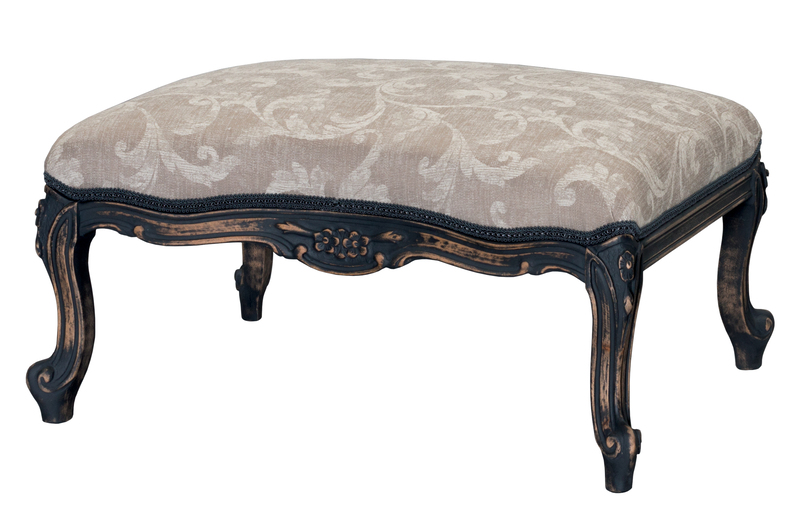
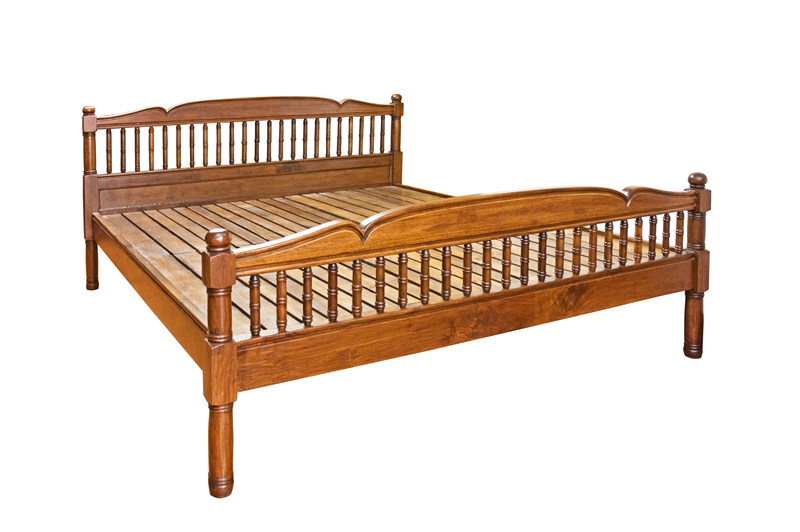
Clearance jobs often involve furniture that is too awkward to move without planning. Sofas, wardrobes, tables, chests, beds and other bulky items can take more time than expected because of tight corners, stairs, shared entrances or the need to break pieces down safely. We approach this as a removal task with structure, not a rough lift-and-go exercise. That matters when the property contains heavier or more awkward items alongside general household contents.
For customers with a mixture of furniture and smaller belongings, it is usually best to think in terms of areas and item groups rather than just counting pieces. That makes it easier to identify what should be cleared in one visit and what should remain in place. Our furniture disposal page can help if the main concern is where certain pieces may end up once removed. Where several categories are present together, we keep the process focused on separation and practical handling.
Useful preparation is simple and does not need to be overdone. If possible, make note of any items that must stay, any objects with sentimental value, and any pieces that need special care because of size, weight or condition. A short inventory is often more helpful than a long explanation. If photos are available, they can help us understand the layout, but they are only one part of a quotation. The most important thing is a clear description of the rooms, access and the scope of the clearance.
Lofts, garages and hard-to-reach spaces
Lofts and garages often become the places where households store the things that do not fit neatly elsewhere. That can mean boxes, old household items, sports gear, seasonal belongings or mixed pieces that have accumulated over time. Clearing these spaces usually requires more patience than a standard room clearance because access is often awkward and the contents are rarely uniform. A careful approach helps keep the job safe and avoids unnecessary disturbance to items that still need to remain.
Where loft access is tight or garage contents are stacked unevenly, it is useful to organise the work around the most difficult items first. That may include larger pieces that block access to smaller items, or fragile contents that need separating before movement begins. If your project is centred on this kind of storage area, our loft clearance and garage clearance pages show the related services within the wider house clearance offer. Those spaces can be tackled alone or as part of a broader property clearance.
The practical value of clearing these areas is not just the removal of clutter. It is also about restoring usable storage space so the area can be reorganised, inspected or repurposed. A garage may need to be ready for parking again, while a loft may need to be emptied before repairs or further sorting can happen. Good access and clear instructions make a real difference here, especially if items are hidden behind stacks of boxes or under tarpaulins, covers and other stored materials.
How we sort, separate and remove contents

Clearance work is usually easiest when the contents are grouped logically. We sort items by type and treat each category with the right level of care, rather than rushing everything into one pile. Reusable household goods, recyclable materials and general waste are handled differently, and that distinction matters when the clearance includes a broad mix of items. The result is a more organised service and a better-managed end point for the property.
Our recycling and sustainability page explains the importance of directing suitable materials into the right streams. In practice, that means looking beyond simple removal and considering whether items can be separated, reused or sent for appropriate processing. Not every item has the same route, and not every clearance produces the same mix of contents. This is why a clear description of the property and its contents helps us plan responsibly from the outset.
Common household categories that often appear in a clearance include furniture, white goods, mixed bagged items, paperwork, ornaments, soft furnishings and storage items. Not every job includes all of these, of course, but they are typical examples of the variety found in domestic properties. The main thing is to identify the categories that are present so the clearance can be structured sensibly and the right method can be used for each part.
Planning access, timing and quotation details
When arranging a house clearance, access can matter as much as the amount of contents. Stairways, parking arrangements, communal hallways, lift use and entry times can all affect how the job is planned. It is helpful to mention any restrictions or awkward points early, because the clearance can then be scheduled with a realistic view of how the property will be reached and how long the removal may take. That does not mean the job has to be fully measured in advance, only that the practical conditions are described clearly.
A helpful quotation usually depends on a few basic points: the size of the property, the types of items involved, whether anything needs dismantling or special handling, and how straightforward the access is. If you are comparing options, our pricing and quotes page provides a straightforward route to discuss those factors. Please request a quotation when you are ready, and include enough detail for the scope to be understood without guesswork. That keeps the process clear for everyone.
Two short steps are often enough to begin: first, decide which rooms or spaces are included; second, identify any items that need to be left behind or treated separately. Beyond that, the job can be refined as needed. We do not ask customers to over-prepare, but a few sensible notes at the start help avoid confusion later. This is especially useful where the property contains a combination of household items, furniture and stored goods that need different handling.
Related clearance work for homes and small premises
Although the main focus here is house clearance, many properties involve linked tasks that sit beside it. A home may need one service for its main rooms and another for an attached storage area, or it may need the contents of a garage, loft or outbuilding included within the same overall plan. In some cases, the work involves only one room or a selection of items rather than a full property clearance. That flexibility is part of keeping the service practical.
If the job extends beyond the home itself into a workspace or a mixed-use property, other services may be relevant. Our office clearance and business waste removal pages cover commercial settings, while the domestic side remains centred on household contents. The important point is choosing the right type of clearance for the property involved, because domestic and commercial jobs often differ in layout, item type and handling needs.
There are also times when a general waste removal approach is enough for a smaller or more mixed job. That can be useful where the contents are limited, the scope is clear, and the customer wants a simple removal rather than a wider property clearance. The right service depends on what is actually present. A good quotation starts with that distinction, because it keeps the plan realistic and avoids unnecessary complexity.
About Soho House

Soho House is one of London’s best-known districts, situated within the City of Westminster and long associated with the wider West End. The area sits near Soho, Covent Garden, Mayfair and Piccadilly, with a street pattern shaped by centuries of change from aristocratic development to commercial, entertainment and hospitality use. Its name comes from Soho Square, a public garden created in the late seventeenth century, which remains a useful reference point for understanding the area’s historic core. Over time, the neighbourhood developed a dense mix of narrow streets, terraces, courts and lanes, many of which reflect the layered growth of central London rather than a single planned layout. Cultural life has been a defining feature for generations. The district is close to theatres, music venues, restaurants and long-established shopping streets, and it sits within easy reach of major London landmarks such as Leicester Square, Trafalgar Square and the shopping corridor of Regent Street. Architectural character varies widely: Georgian terraces sit near later commercial fronts, while nearby streets carry reminders of both eighteenth-century expansion and twentieth-century redevelopment. The area also has strong connections to the city’s media, dining and nightlife scenes, giving it a busy daytime and evening atmosphere. Public squares, nearby parks and the broader grid of central streets create a compact urban setting that is as much about movement between places as it is about a single landmark. As a result, Soho House is commonly understood not just as a point on the map, but as part of the wider fabric of central London’s social and architectural history.
House clearance arranged with care
When a house clearance needs to be completed carefully, the best outcomes come from a clear scope and a steady method. We work through the property in a way that respects what must remain, what should be removed and what needs separate handling. That applies whether the job is a single room, an entire home or a property with additional storage areas. The service is built around practical removal, sensible sorting and dependable follow-through.
For many customers, the deciding factor is not simply getting items out, but having the clearance organised in a way that suits the property and the next stage of use. That may mean preparing for refurbishment, reducing clutter before a move or clearing a space that has become difficult to manage. If you would like to discuss the likely scope, contact us to request a quotation and outline the rooms or contents involved. We can then consider the most suitable approach for the job.
Clear communication at the start keeps the work efficient and helps avoid surprises on the day. If there are delicate items, areas of restricted access or specific pieces that must stay in place, mention them early. That information is often enough to shape the plan properly. From there, the clearance can move forward in a controlled way that suits the property and the contents within it.
Choosing the right scope for your property

Not every house clearance needs to cover every room. Some customers want the entire property emptied, while others only need selected areas dealt with, such as an attic, a rear room or a cluttered storage area. Choosing the right scope saves time and keeps the work aligned with the actual need. It also makes quotations easier to understand because the job is tied to specific spaces and categories of contents rather than vague assumptions.
Before asking for a quotation, it can help to think about whether the clearance is mainly about bulk items, mixed household contents or a combination of both. If the property includes furniture, heavier objects or awkwardly placed belongings, make that clear from the start. If you need related information about how different jobs are handled, house clearance and home clearance are both useful pages for understanding the domestic scope of the service. Either way, the final step is simple: request a quotation when you are ready.
Our approach is designed to remain practical from first enquiry to completion. That means keeping the conversation focused on the property, the contents and the access needed to remove them properly. If the job turns out to be broader than expected, it can usually be planned as a fuller domestic clearance. If it is smaller, it can still be approached with the same care. Start with the rooms, the items and the access, and the rest becomes much easier to arrange.